Cleanup is not automatically the same as extraction, mitigation, environmental assessment, or reconstruction. Removing damaged material is only one part of restoring the home. The later reconstruction stage may require insulation, drywall, texture, paint, flooring, cabinets, trim, and matching work.
What can water damage cleanup include?
- Removing agreed debris or unsalvageable finish materials
- Protecting unaffected areas during the work
- Coordinating with extraction or drying activities
- Addressing affected surfaces within the contractor's scope
- Preparing opened areas for later reconstruction
- Work-area cleanup after the selected stage
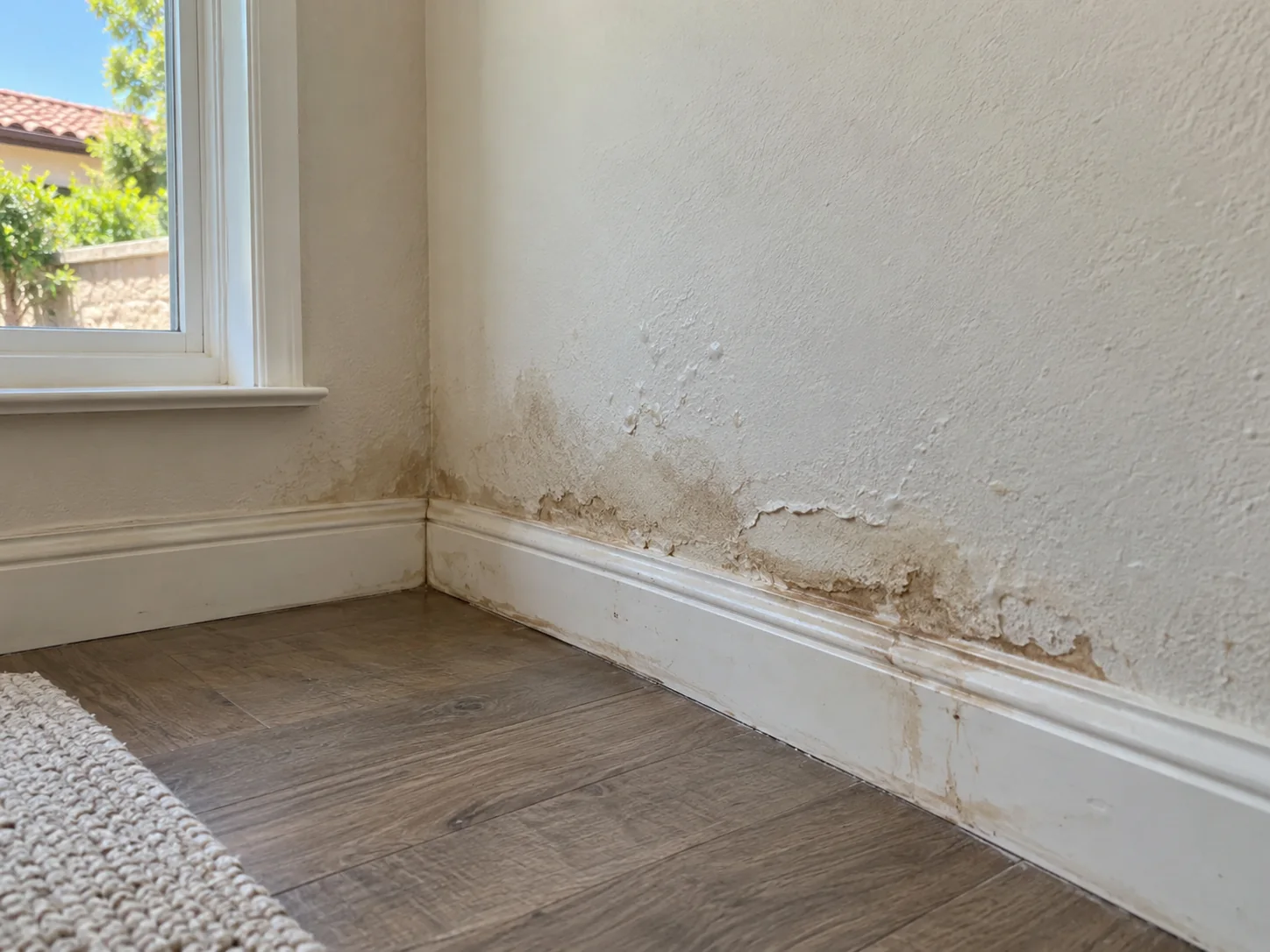
When is specialized help needed first?
Unknown sources, sewage, environmental concerns, unsafe conditions, active leaks, structural questions, and materials requiring specialized handling may need another qualified professional. This site does not classify hazards or certify an area as safe.
Does cleanup include drying?
It depends on the proposal. Mitigation and drying may be separate from general cleanup. Confirm equipment, monitoring, removal, duration assumptions, and completion criteria in writing.
Who handles each stage?
Some mitigation-focused companies perform reconstruction and others subcontract it. Subcontracting is not automatically a problem, but homeowners should ask who will perform the rebuilding, who manages the scope, who is responsible for workmanship, and who handles communication. Contractor partners in the network may specialize in different stages.
What follows cleanup?
If walls, ceilings, flooring, cabinets, or finishes were removed or damaged, the next phase may be water damage reconstruction. Review the boundaries before comparing estimates.